January 29, 2026
Moving can feel overwhelming, but with the right planning and guidance, it can be a smooth and organized experience. This ultimate moving checklist outlines everything professional movers recommend, addressing common concerns such as packing efficiently, preparing for moving day, and managing last-minute details. Whether you’re relocating locally or across the country, having a clear strategy is essential. Working with experienced local movers who understand area logistics, traffic patterns, and regulations can help ensure your move stays on track and stress-free. Having clear expectations from the start can greatly reduce anxiety throughout the process. Proper planning turns a complex move into a manageable series of steps. Taking the time to prepare sets the foundation for a successful relocation.
Prepare for Moving Day
Begin your preparation weeks in advance to ease the stress of moving day. Draft a moving timeline and checklist that outlines daily tasks leading up to the move. Book your movers as early as possible, especially if you plan to relocate during the summer months. Nearly 60% of moves in the U.S. take place between May and August, according to Cleango, making early scheduling especially important. Confirm details with local movers to ensure they can accommodate any special requests or time constraints you may have. Planning also allows flexibility if unexpected delays arise. A proactive approach helps you stay organized and confident as moving day approaches. Early preparation also gives you time to adjust plans without feeling rushed. Staying ahead of tasks makes the entire experience more predictable and controlled. Consistency in planning keeps everything running smoothly.
Purge unnecessary items by organizing garage sales or donating to local charities. Reducing the volume of your belongings will simplify packing and cut moving costs. Use the opportunity to inventory your possessions, which will also assist with insurance and unpacking. The less you have, the more straightforward and efficient your move will be. Decluttering can also make your new home feel cleaner and more intentional from day one. Letting go of unused items creates a fresh start and reduces unpacking fatigue. It also saves time when packing and labeling boxes. Downsizing before a move often leads to better organization overall. This step helps you focus on what truly matters.
Notify important parties of your address change, including utility and service providers, the post office, and financial institutions. Arranging for the transition of essential services ensures you'll be settled in smoothly. Keep important documents, such as leases or contracts, in an accessible place during the move. Being organized will save you headaches and disruptions on your moving day. Consider creating a folder or digital checklist to track notifications. Staying ahead of administrative tasks prevents service gaps and missed correspondence. This step also helps ensure bills and statements arrive on time. Completing these updates early reduces last-minute complications. Staying organized gives you peace of mind throughout the transition.
Pack Efficiently and Protect Your Belongings
Start by gathering packing supplies, including sturdy boxes, packing tape, bubble wrap, and markers for labeling. Packing can be time-consuming, so tackle one room at a time to avoid feeling overwhelmed. Label boxes clearly with their contents and the room they belong to, making it easier to find what you need on arrival. Local movers often provide packing services or supplies that can be useful if you need extra support. Organized packing saves time during both loading and unpacking. Clear labels also help movers place boxes in the correct rooms. This method minimizes confusion once you arrive at your new home. Staying organized early speeds up the entire moving process. Efficient packing keeps stress levels low.
Use high-quality packing materials to protect fragile items such as dishes, artwork, and electronics. Wrap each item carefully with bubble wrap or paper, and reinforce boxes with tape. Be sure to mark these boxes as "fragile" and instruct your movers to handle them with care. Efficient packing reduces the chance of damage and ensures a smoother transition. Packing heavier items at the bottom adds stability to boxes. Taking extra precautions protects your valuables and provides peace of mind. Secure packing also minimizes shifting during transit. This attention to detail can prevent costly replacements or repairs. Proper packing safeguards your most important belongings.
Pack an essentials box with items you’ll need right away, such as toiletries, a change of clothes, and important documents. This box should travel with you, so you have immediate access to necessities. It’s especially helpful during long-distance moves where deliveries may be delayed. Planning for the first few days in your new home will allow you to settle without unnecessary stress. Including basic kitchen items and chargers can also be helpful. An essentials box helps you feel comfortable even before everything is unpacked. It reduces the need to search through multiple boxes on arrival. Having essentials nearby makes the first night much easier. This small step improves comfort right away.
Coordinate Effectively With Your Movers
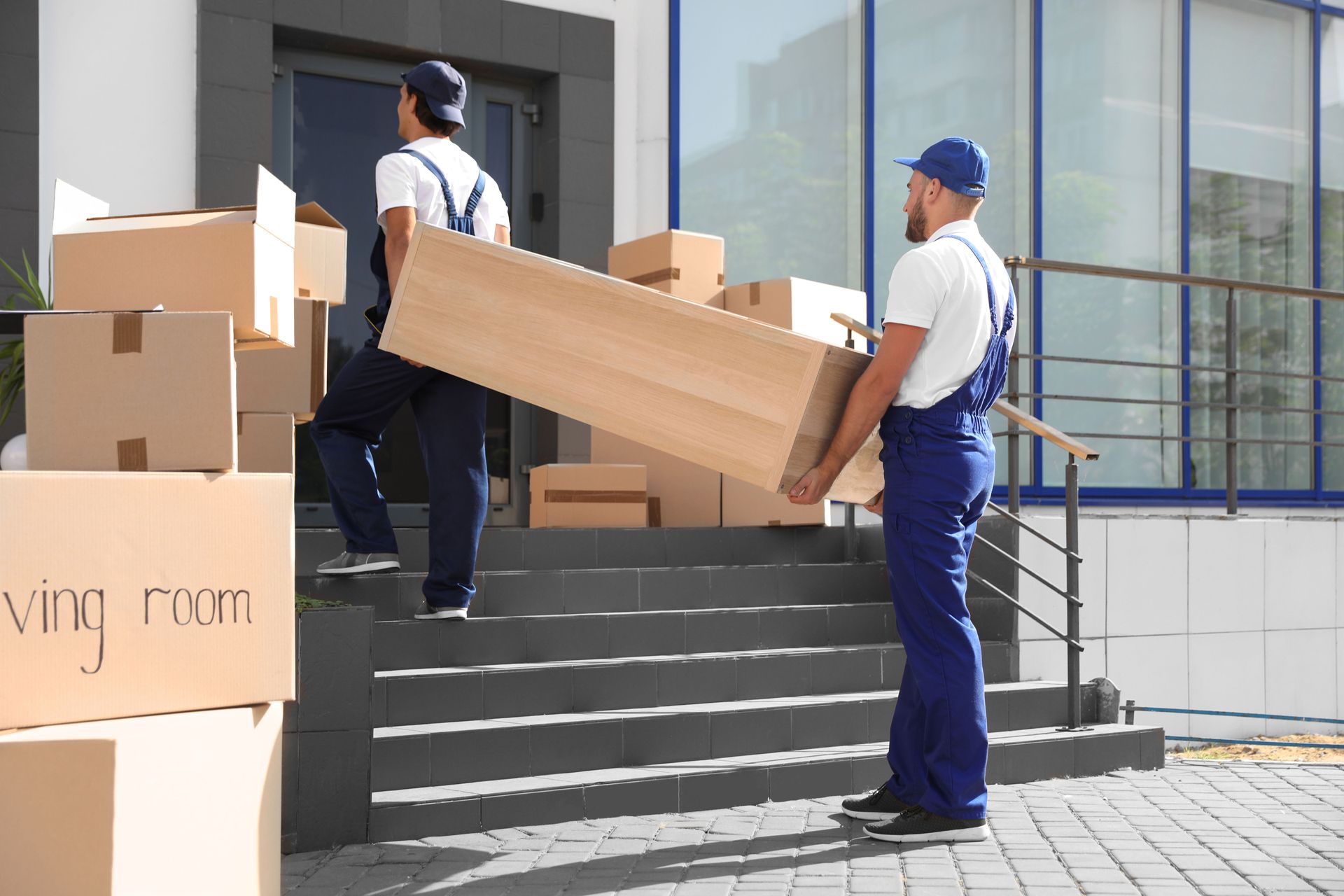
Once the local movers arrive, supervise the loading process and ensure all items are accounted for using your inventory list. Communicate clearly with the movers about any fragile or special items that require extra care. Being present and attentive helps to resolve any potential issues quickly. Experienced local movers can offer insight and advice on how to best organize items in the moving truck. Clear communication keeps the process efficient and prevents misunderstandings. Trusting professional guidance can also maximize space and protect your belongings. Collaboration helps everything move along smoothly. Staying engaged ensures your expectations are met. A hands-on approach leads to better results.
After loading, take a final walk-through of your old residence to check for overlooked items or necessary cleaning. Ensure all windows and doors are locked, and utilities are disconnected as arranged. Returning keys to landlords or new owners is the last step in leaving your old home securely. Finishing these tasks provides closure and allows you to focus on the next stage of your journey. This final review helps avoid forgotten belongings. Leaving your old home properly prepared ensures a smooth hand-off. It also reduces the chance of follow-up issues. A thorough exit leaves a positive final impression. This step helps close the chapter with confidence.
Upon arrival at your new home, prioritize unloading essentials and setting up necessary services. Check each box and item against your inventory as the movers bring them in. Having a well-organized system enables an efficient unpacking process. Engaging local movers for assistance can ease the physical demands of moving and provide helpful insights into your new area. Unpacking strategically helps you settle in faster. Taking breaks during this phase can prevent burnout and maintain momentum. Setting up key rooms first creates immediate comfort. A steady pace keeps unpacking manageable. The organization makes the adjustment smoother.
A successful move starts with preparation and ends with confidence in your new space. By following this checklist, you can manage each stage of the moving process efficiently, from early planning to final unloading and settling in. With the support of reliable local movers and a well-organized approach, moving becomes far less stressful and far more rewarding. Instead of viewing relocation as a challenge, see it as an opportunity for a fresh start—one made easier through careful planning, expert advice, and thoughtful execution. A positive mindset can make a meaningful difference during transitions. Your new home is the beginning of an exciting new chapter. Embracing the change helps you move forward with optimism. Reach out to Fit 2 Move to learn more today.