October 28, 2026
Relocating to a new home is one of life’s most significant events, bringing exciting opportunities alongside immense logistical coordination. However, the sheer volume of tasks involved in packing, loading, and transporting a household can easily lead to oversight and physical exhaustion. Under the pressure of impending deadlines, even organized homeowners frequently make critical errors that expose their most valuable possessions to breakage, loss, or weather damage. Safeguarding delicate glassware, expensive electronics, heirloom jewelry, and family keepsakes requires careful preparation and methodical execution long before the transport truck arrives. According to the Federal Motor Carrier Safety Administration (FMCSA), roughly 35 million households across America relocate annually, with about 600,000 of those being interstate transitions that rely on professional moving companies. Understanding where common oversights occur enables families to protect their financial and sentimental investments throughout the entire relocation process.
Overlooking Proper Structural Packing and Cushioning Materials
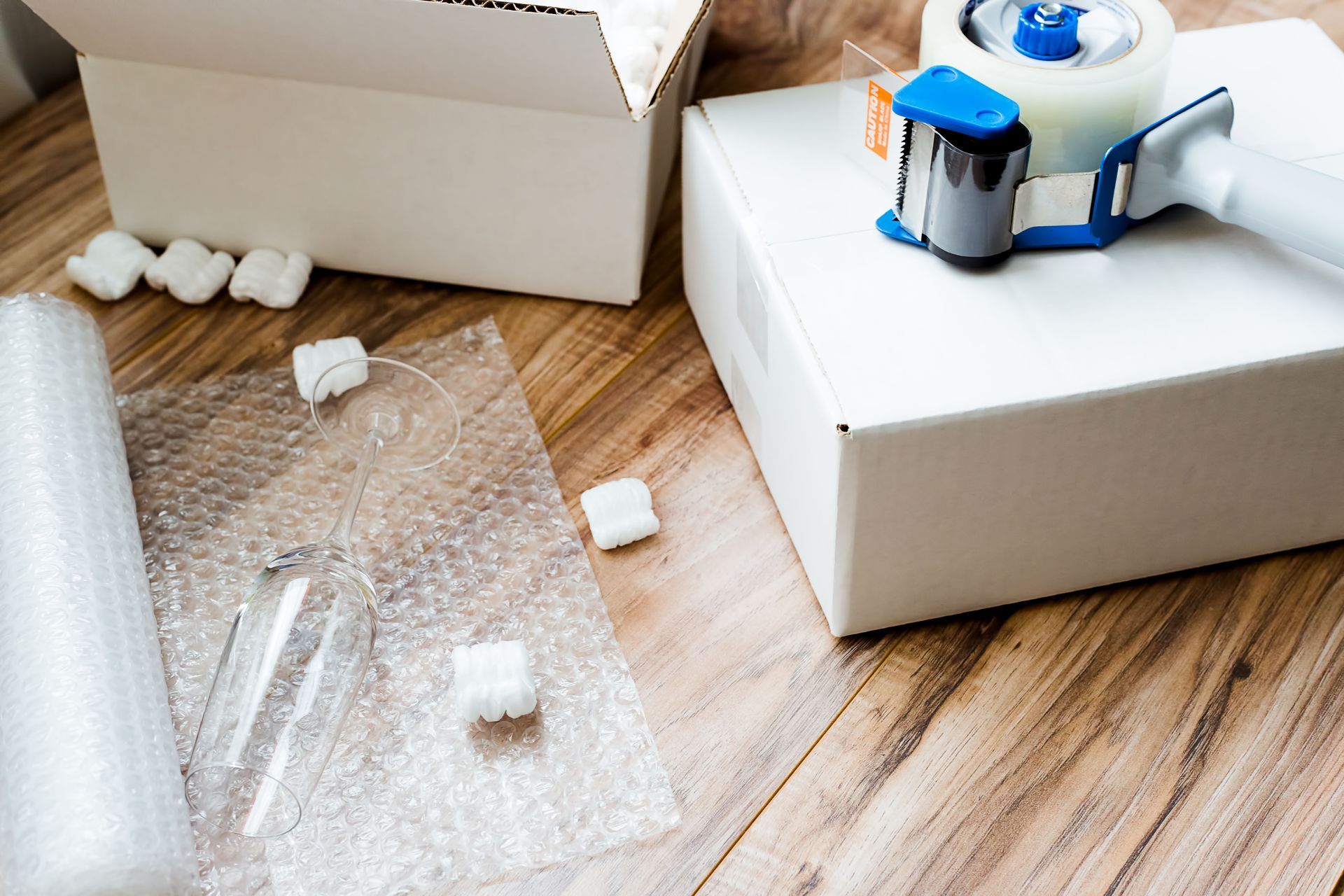
One of the most frequent mistakes made during relocation preparation is relying on substandard, worn-out cardboard boxes or improper cushioning materials. Used grocery store cartons often possess compromised structural integrity, leaving delicate items vulnerable to collapsing bottoms and crushed tops when stacked inside transport vehicles. Furthermore, wrapping fragile porcelain, crystal, or artwork in plain newspaper can transfer permanent ink stains onto porous surfaces while offering minimal shock absorption. Investing in heavy-duty, double-walled corrugated boxes designed specifically for glassware, dishware, and wardrobe items provides necessary structural rigidity. Coupling sturdy containers with thick bubble wrap, unprinted newsprint, foam peanuts, and specialized corner protectors ensures that shifting vibrations during transport do not result in costly structural fractures or shattered heirlooms.
Neglecting Strategic Weight Distribution Across Storage Containers
Overloading large packing boxes with heavy items like books, cookware, or tool sets is a recipe for physical strain and container failure. When a cardboard box exceeds its recommended weight rating, seams tear open during lifting, sending fragile contents crashing onto hard pavement. Conversely, placing lightweight items in oversized boxes without proper void fill allows contents to slide violently during transit. The cardinal rule of effective packing is placing dense, heavy objects into smaller containers while reserving large boxes exclusively for bulky, lightweight goods like linens, pillows, and lampshades. Filling empty air pockets inside every container with crumpled paper prevents internal shifting, keeping delicate items stabilized and preventing top-heavy boxes from tipping over inside the transport truck.
Failing to Label Containers With Clear Handling Instructions
Rushing through the final stages of packing often leads homeowners to omit detailed labels on sealed boxes, creating massive confusion during unloading. Placing fragile boxes into a transport vehicle without prominent handling indicators risks having heavy tool crates or furniture pieces stacked directly on top of delicate china. To avoid catastrophic crushing, every box containing breakables should be marked clearly on multiple sides with bold permanent markers. Indicating which direction is up and writing clear destination room names streamlines the unloading workflow for your hired moving service, allowing workers to position boxes safely in designated areas without constant instruction. Clear labeling eliminates dangerous guesswork and ensures fragile containers are handled with appropriate care throughout transport.
Mismanaging Household Electronics and Sensitive Digital Hardware
Modern household electronics, computer servers, high-definition televisions, and audio equipment represent substantial financial investments that require specialized packing protocols. Transporting delicate flat-screen displays without original manufacturer packaging or padded television crates exposes fragile glass panels to severe pressure cracks. Furthermore, failing to disconnect, organize, and label complex wiring harnesses behind entertainment centers leads to tedious setup delays in your new home. Before packing hardware, take clear reference photographs of rear cable configurations and bundle cords with zip ties. Removing internal components like printer ink cartridges or computer graphics cards prevents internal leaks and structural socket damage caused by road vibrations while your moving service transports equipment to your new address.
Omitting Individual Inventories for High-Value Personal Possessions
Losing track of irreplaceable personal items during a chaotic relocation creates immense anxiety and financial hardship. Packing small valuables like diamond jewelry, passports, birth certificates, stock certificates, and medical records into general household boxes increases the risk of accidental loss or theft. High-value personal items should never be loaded onto general cargo transport vehicles. Instead, assemble a secure, portable carry-on bag containing essential personal documents, expensive jewelry, prescription medications, and small high-value electronics that remains in your personal custody at all times throughout moving day. Maintaining direct control over your most sensitive possessions provides complete peace of mind while your professional moving service manages the heavy furniture and bulk household cargo.
Skipping Pre-Transportation Inspections and Structural Furniture Preparation
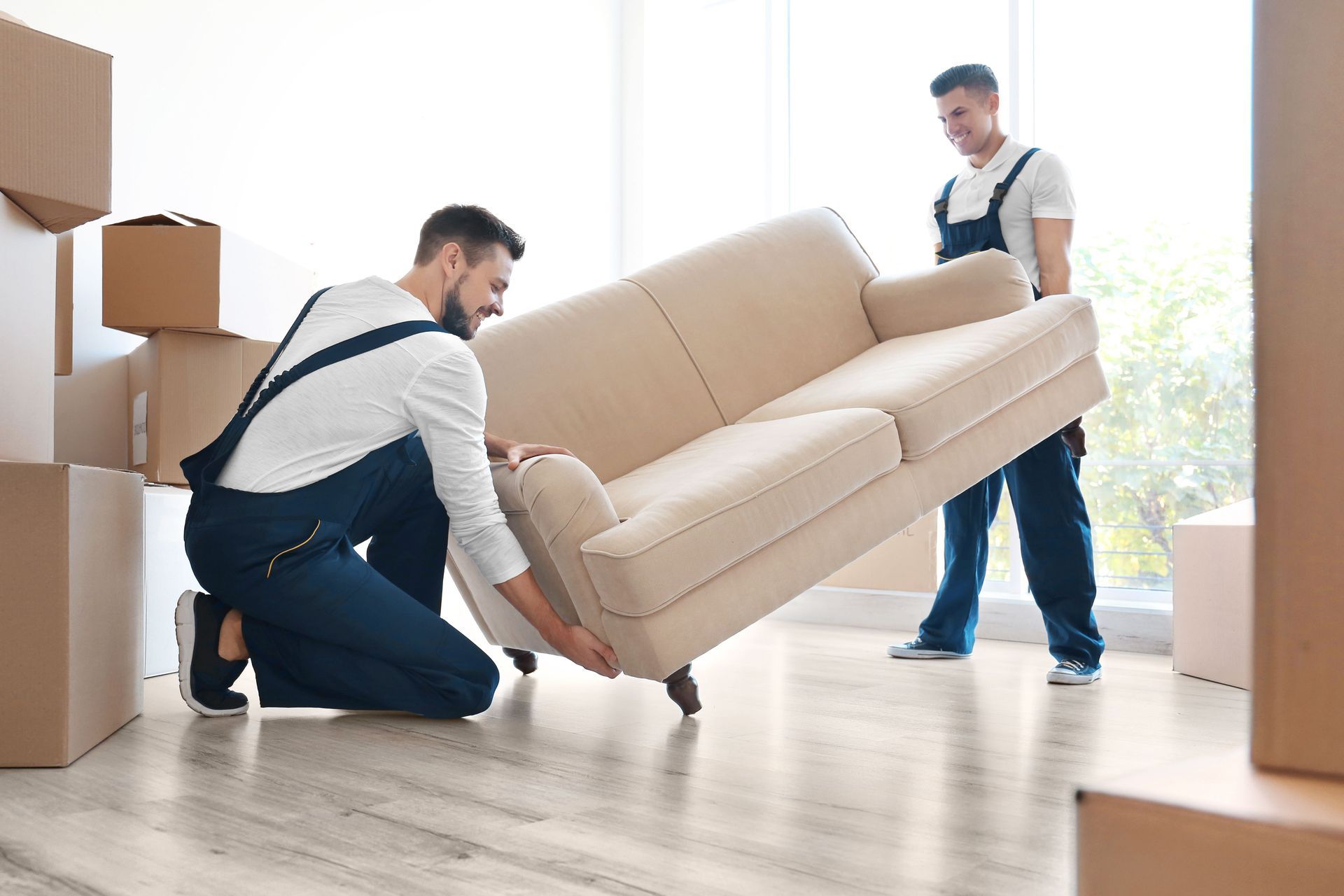
Large furniture pieces like solid wood dining tables, antique dressers, and upholstered sofas are highly susceptible to scratches, gouges, and fabric tears if moved without proper preparation. Attempting to transport fully assembled wooden furniture with drawers still loaded adds unnecessary weight and subjects delicate joint fastenings to extreme shear stresses. Before loading heavy items, remove all interior contents, detach removable glass shelves, and disassemble table legs or bed frames whenever possible. Wrapping polished wooden surfaces in thick moving blankets and securing them with stretch film guards against abrasive rubbing against truck walls. Pre-wrapping furniture before your contracted moving service arrives accelerates the loading process while creating a protective shield around your valuable home furnishings.
Misjudging Truck Loading Physics and Cargo Stabilization Strategies
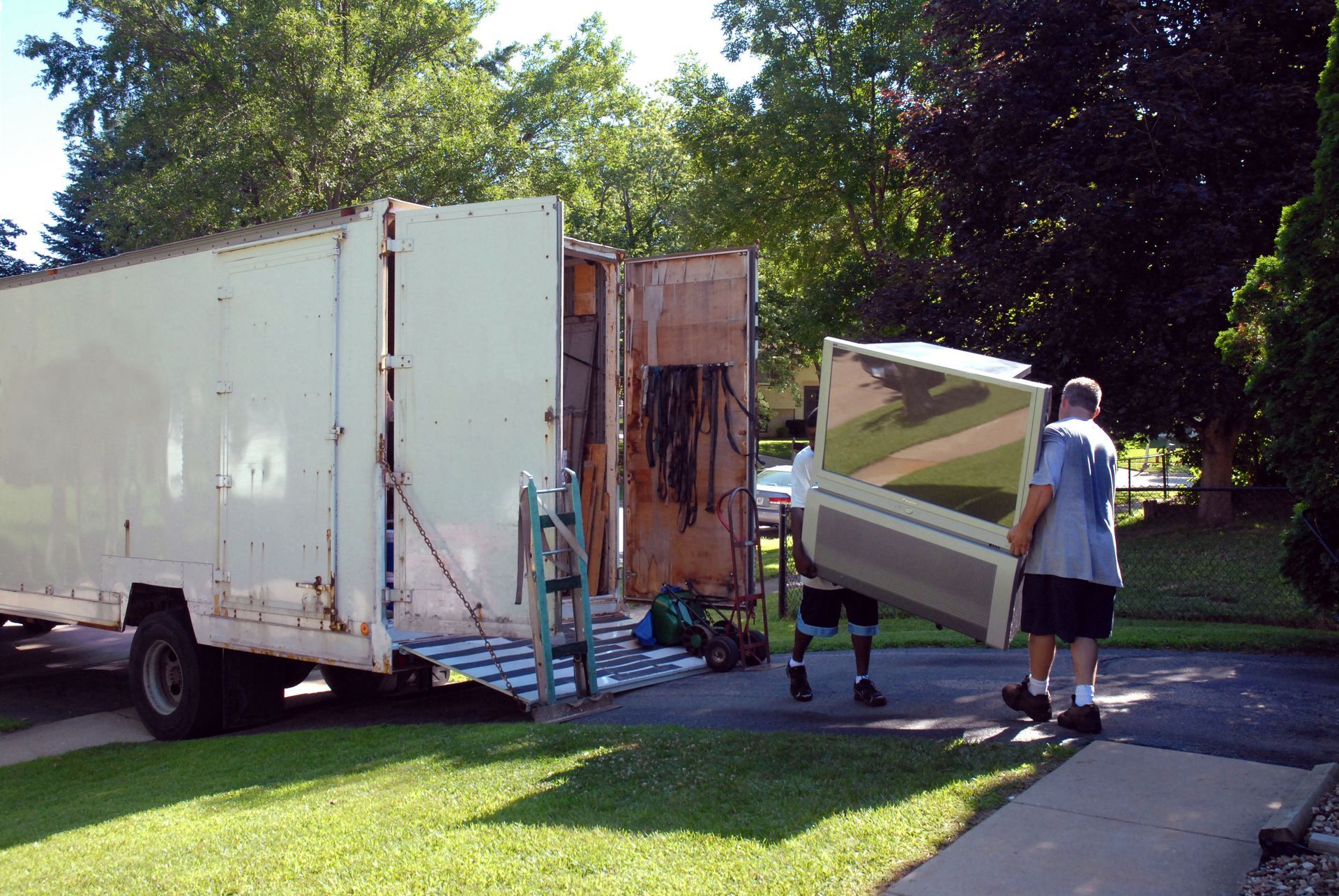
Loading a cargo vehicle without understanding proper weight distribution creates severe hazards on the highway and damages interior contents. Placing heavy appliances or dense wooden furniture near the rear doors causes dangerous vehicle sway, while concentration of weight on one side causes cargo to shift violently during sharp turns. Professional loading techniques dictate placing heavy appliances, iron bed frames, and dense crates directly against the front bulkhead near the cab to maintain vehicle balance. Securing rows of furniture with heavy-duty ratchet straps prevents cargo from shifting backward into empty spaces during sudden braking. Partnering with an experienced moving service ensures that cargo loading engineers apply proper tie-down methods, keeping your belongings firmly stabilized across long interstate transit routes.
Disregarding Weather Conditions and Environmental Protection Measures
Unpredictable weather on moving day introduces serious risks to household furnishings, electronics, and paper containers. Rain, snow, mud, and extreme heat can quickly ruin unprotected wooden furniture finishes, saturate cardboard boxes, and cause internal moisture condensation inside sensitive electronic devices. When moving during inclement weather, lay down protective floor runners, plastic sheeting, or heavy cardboard tracks along indoor walkways to keep water and mud from ruining carpets and hardwoods. Wrapping exposed furniture entirely in water-impermeable plastic stretch film provides an airtight moisture barrier during transit between your doorway and the cargo truck. Ensuring that your hired moving service utilizes weather-sealed cargo bays safeguards delicate upholstery and wooden antiques from severe moisture exposure.
Choosing an Unlicensed or Uninsured Transportation Provider
Perhaps the most catastrophic error a homeowner can make is selecting a transport provider based solely on the lowest price quote without verifying proper licensing, credentials, and insurance coverage. Fraudulent rogue movers frequently operate without valid DOT permits, underinsured cargo coverage, or clear contract terms, holding household goods hostage for exorbitant additional fees. Selecting a certified moving service requires verifying their active USDOT registration number, checking customer reviews, and reviewing their liability insurance policies. Reputable companies offer clear valuation coverage options, protecting the full replacement value of your belongings in the event of unforeseen transit accidents. Conducting thorough research ensures your household goods are entrusted to reliable, fully insured transportation professionals.
A successful residential move depends on thorough planning, proper packing materials, and clear communication at every stage of the process. By taking the time to wrap fragile items securely, label containers accurately, disassemble complex furniture, and maintain personal custody of irreplaceable documents, you eliminate the primary hazards that threaten household goods. Avoiding common packing oversights protects your hard-earned financial assets while preserving cherished family memories for your new home. Engaging a reputable, fully licensed moving service provides the technical expertise, specialized equipment, and structural safety guarantees required to complete your transition smoothly. Contact Fit 2 Move today to request your personalized quote and ensure your belongings are transported safely on moving day!